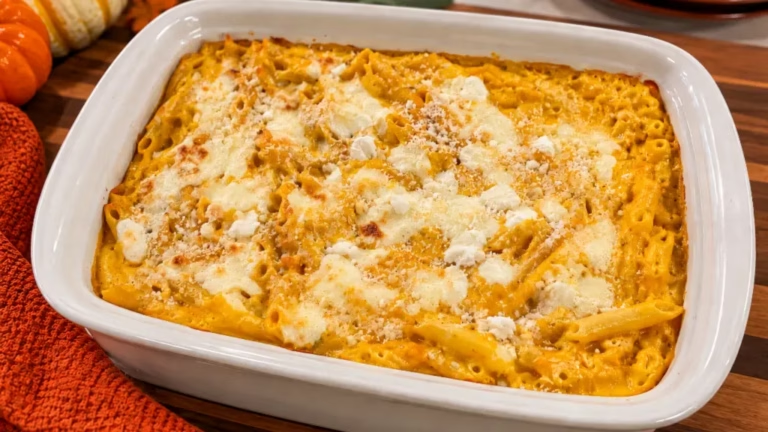
White Sauce Pasta with Spinach & Peas

White Sauce Pasta with Spinach & Peas
Why you’ll love this
- Velvety bechamel-style white sauce made with butter, flour, and whole milk.
- Spinach and defrosted peas folded into the sauce for color and texture.
- Pasta is briefly boiled, combined with the sauce, then baked in a 9 x 13 casserole until browned and bubbling.
- Shredded Parmesan finishes the sauce for savory richness.
- Step‑by‑step video is available for visual guidance.
Ingredients
Equipment
Method
- Preheat your oven to 425 degrees. Brush a 9 x 13 casserole dish with olive oil.
- Heat a large pot of water to boil. Using a dish towel, squeeze all the water out of the spinach and set aside.
- In a large skillet, melt the butter over medium high heat. Once the butter is melted, add your flour, and whisk for 2 minutes. Slowly, add your milk and keep whisking. You want to make sure to get out all the lumps. Keep whisking. The milk mixture will come up to a low boil.
- Now it’s time to drop your pasta into the boiling water. Please make sure to salt your pasta water. I use about one tablespoon of kosher salt. You will only cook the pasta for 6 minutes. The pasta will continue to cook in the oven.
- Now, add your salt, pepper, nutmeg, and bay leaf to your milk mixture (bechamel sauce). Cook this mixture for 5-6 minutes, whisking intermittently. After 6 minutes, take the bechamel sauce off the heat and stir in the parmesan cheese, spinach, and peas. It’s time to add the pasta to the sauce and transfer all to the casserole dish. Place the dish on the middle rack of your oven. Bake for 25 minutes or until the top is browned and bubbling. This is so good! Enjoy!
- *I don’t drain my pasta. I transfer it directly from the pot to the pan with the bechamel sauce.
Video
Tried this recipe?
Let us know how it was!What is béchamel (white sauce) — and why it matters here
In White Sauce Pasta with Spinach and Peas, the sauce is a béchamel: a cooked mixture of butter and flour (a roux) into which milk is whisked until it thickens. That creamy base is what coats the rigatoni, carries the Parmesan’s savory flavor, and holds the spinach and peas in the finished bake. Knowing that the sauce is roux plus milk explains why whisking and heating the mixture until it thickens are central steps.
How to get a smooth, lump‑free béchamel
- Cook the roux briefly: Cooking butter and flour together for the two minutes called for removes the raw‑flour taste and creates a stable base for the milk to thicken evenly.
- Add milk gradually while whisking: Slowly incorporating milk and whisking disperses the flour into the liquid and prevents lumps as the sauce comes up to temperature.
- Room‑temperature milk helps: Using milk at room temperature (as specified) reduces the chance of the roux seizing and forming lumps when the liquid is added.
- Heat to a gentle simmer while whisking: As the sauce heats, starches swell and the mixture thickens; intermittent whisking keeps the texture smooth and glossy during the 5–6 minutes of cooking called for.
- Seasoning and finishing: The added Parmesan, bay leaf, and nutmeg contribute savory depth and a subtle warm note that complement the creamy béchamel.
Why the pasta is only partly cooked — and why you don’t drain it
The rigatoni is par‑cooked so it finishes cooking in the oven during the 25‑minute bake; that approach prevents the pasta from becoming overcooked and mushy after the additional oven time. Transferring the pasta directly with its cooking liquid keeps starchy water with the pasta: that starch helps the sauce cling to the noodles and creates a glossier, more cohesive casserole rather than a dry one.
Watch Dr. J Make White Sauce Pasta with Spinach & Peas
Watch Dr. J make White Sauce Pasta with Spinach & Peas and see how it comes together.